
Property Types · Industrial · $425 + GST · 1-4 business days
Warehouses and Industrial Property in an SMSF
Industrial is the classic SMSF holding: the business owner buys the shed the business works out of, and the fund becomes the landlord. Two figures drive the valuation, and you already know both of them.

William Spark, Founder & Director
2025 SMSF Adviser Awards, Newcomer of the Year Winner · About
How Is an Industrial Property or Warehouse Valued in an SMSF?
Industrial property is valued from comparable sales of similar buildings, usually analysed on a rate per square metre of internal area, and cross-checked against the income it produces where it is leased. The report itemises 5 to 10 comparables and states the methodology, which is what an auditor verifies.
That is why the commercial order form asks for internal building area and annual rental income. They are not administrative questions. They are the two inputs the analysis turns on, and supplying them lets the report reason about your building rather than around it.
What Counts as Industrial
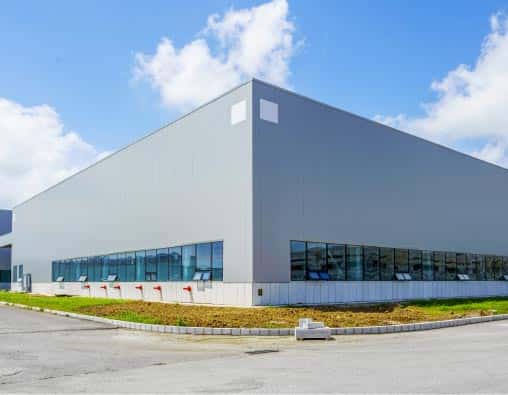
Warehouses, factories, workshops, storage facilities, transport depots and light industrial units in a strata complex all sit in this category. What they share is that value follows function. Clearance height, column spacing, roller door access, hardstand, truck turning circles and three-phase power move the figure in a way that kitchen finishes never will. The valuation is built on sales of buildings that work the same way, not simply buildings nearby.
Why So Many Funds Hold Industrial
The pattern is consistent: an owner-occupier business needs a shed, and buying it inside the super fund lets the business pay rent to the fund instead of to a stranger. Where the property is used wholly and exclusively in the business it commonly qualifies as business real property, the recognised exception that allows a fund to acquire real property from a related party at market value.
It is a sound structure, and it is also the reason these properties attract attention at audit. Both sides of the arrangement are connected to the same people, so the independent evidence carries the weight the negotiation otherwise would.
Rate Per Square Metre, in Plain Terms
The most common approach reduces recent sales of similar buildings to a rate per square metre of internal area, then applies a considered rate to the subject property. If comparable units in an estate have sold in a band per square metre, a building of a given internal area sits somewhere in that band, adjusted up or down for age, condition, office component, access, land area and location within the precinct.
The obvious implication is that the area figure matters. An estimate that is out by a hundred square metres moves the answer. Where the internal area is uncertain we will say what we have relied on, and if you have a plan or a lease schedule, attaching it to the order improves the report.
Where the Income Comes In
A leased industrial property is also an income stream, and a buyer prices it accordingly. Rent net of outgoings, the strength of the tenant and the term remaining all bear on what the asset is worth, which is why the order form asks for annual rental income excluding outgoings and GST. Comparable sales remain the primary evidence; the income analysis is the cross-check that keeps the answer honest.
If Your Own Business Is the Tenant
A lease between the fund and a related business must be on arm’s length terms. Rent set below market is one of the clearest failures of that test, with consequences that can extend to non-arm’s length income treatment, covered in our guide to below-market rent and NALI. The evidence is a market rent assessment with comparable leasing evidence, $125 + GST alongside a commercial report or available on its own.
For the broader rules on how often values must be refreshed and what survives an audit, see the complete guide to SMSF property valuations.
Frequently Asked Questions
What counts as industrial property?
Warehouses, factories, workshops, storage facilities, transport depots and light industrial units. The common thread is a building designed around function rather than presentation: floor area, clearance height, access and hardstand matter more than finishes.
Why does the order form ask for internal building area?
Because industrial value is usually analysed on a rate per square metre. Knowing the internal area lets the comparable sales be reduced to a consistent basis and applied to your building. If you do not have the figure to hand you can leave it out, but supplying it sharpens the analysis.
How does the rent affect the valuation?
Where a property is leased, the income it produces is part of what a buyer is purchasing, so the rent informs the assessment alongside comparable sales. That is why the commercial order form asks for annual rental income excluding outgoings and GST.
My business leases the warehouse from my fund. What do I need?
A related party lease must be on arm's length terms, which means the rent needs to sit at market. A market rent assessment supported by comparable leasing evidence is the document that demonstrates it, available as a $125 + GST addition to a commercial report or on its own.
What does an industrial valuation cost and how long does it take?
Commercial reports are $425 + GST and arrive in 1-4 business days, with 5 to 10 comparable sales itemised in full and the methodology stated. No inspection is required and no payment is needed to place the order.
Valuing a warehouse or industrial unit?
Have the internal area and the annual rent handy and the order takes a couple of minutes. Report delivered in 1-4 business days, no inspection, no payment up front.
Last updated 5 August 2026. General information about valuation evidence, not financial or tax advice. Speak to your accountant or adviser about your fund and any related party lease.
3,500+reports delivered
200+accounting firms
0rejected by an auditor
Trusted byBDO AustraliaMoore AustraliaSuperannuation Audit Servicesand many more

Make SMSF Valuations Hassle-Free
If your SMSF holds property, you're required to provide documented evidence of its value. Let us handle the process for you. Our service is fast, simple, and tax-deductible.